Personal Training Frequency Guidelines: 2026 Guide


Personal training frequency guidelines define how many coached sessions per week best support your fitness goals while protecting recovery and building long-term consistency. The standard recommendation is 2–3 sessions per week for beginners, with adjustments based on experience, goal type, and recovery capacity. Terpinfit works with clients across all levels in Pensacola, Florida, and the pattern is consistent: frequency is not about doing more. It is about doing the right amount at the right time.
1. What are the personal training frequency guidelines for beginners?
Beginners need 2–3 coached sessions per week to learn movement patterns safely and build the habit of showing up. This frequency gives your nervous system enough stimulus to adapt without overwhelming your recovery. The first 4–8 weeks are the most critical phase.
During this phase, your body is building neuromuscular connections, not just muscle. Every rep teaches your brain how to recruit the right muscles in the right order. That process, called neurological adaptation, happens fastest when sessions are frequent enough to reinforce the pattern but spaced enough to allow recovery.
Spread sessions across the week (Monday, Wednesday, Friday works well)
Keep each session to 45–60 minutes to balance volume and fatigue
Focus on compound movements: squats, hinges, pushes, and pulls
Use the first session of the week for heavier work and the last for technique refinement
Pro Tip: Never train the same muscle group on back-to-back days during your beginner phase. Your muscles grow during rest, not during the session itself.
The 4–8 week high-frequency phase is not permanent. The goal is to build enough skill and confidence that you can eventually train with less supervision. Dependency on a trainer is not the destination. Independence is.

2. How intermediate and advanced trainees should adjust session frequency
Once you have 3–6 months of consistent training, the math changes. You no longer need three coached sessions per week to make progress. 1–2 sessions weekly is sufficient for most intermediate trainees, and advanced clients often do well with bi-weekly or monthly check-ins.
The shift is from instruction to accountability. At this stage, you know how to squat. You know how to program a push day. What you need from a trainer is feedback on form drift, help with plateau-busting, and someone to keep you honest. That does not require three sessions a week.
1 coached session per week plus 2–3 solo sessions works well for most intermediate trainees
Bi-weekly sessions suit advanced clients who train independently and want periodic programming adjustments
Monthly check-ins work for experienced athletes who need accountability more than instruction
Pro Tip: Watch for signs of burnout: dreading sessions, declining performance, or persistent soreness. These are signals to reduce frequency, not push harder.
The hybrid model, one coached session combined with independent workouts, is both financially and physically sustainable. It keeps coaching costs manageable while preserving the quality control that a trainer provides. Most clients who stick with training long-term use some version of this model.
3. How training frequency connects to muscle recovery and hypertrophy
Muscle protein synthesis stays elevated for 24–48 hours after training. That window tells you when a muscle is ready to be trained again. Training a muscle group every 2–3 days aligns with that biological timeline and produces better growth than once-a-week training.
The research backs this up clearly. Training each major muscle group at least twice weekly produces a pooled effect size of 0.49 for hypertrophy, compared to 0.30 for once-weekly training. That is a meaningful difference in muscle growth over months of consistent effort.
Training frequency | Hypertrophy effect size | Best suited for |
Once per week | 0.30 | Maintenance, very advanced splits |
Twice per week | 0.49 | Most trainees, beginner to advanced |
3–4 times per week | High (volume dependent) | Dedicated muscle-building phases |
“Frequency is primarily a tool for quality control, preventing excessive fatigue damage from over-concentrated training volume.” — Zelos Strength
Spreading your weekly volume across multiple sessions also protects set quality. If you try to do 20 sets for your chest in one session, the last five sets are garbage. Your muscles are too fatigued to produce meaningful tension. Splitting that volume across two sessions keeps every set productive.
4. What factors influence your personalized training frequency
No single schedule fits everyone. Your optimal weekly training frequency depends on several factors that are specific to your life, not just your fitness level.
Goal type matters most. Weight loss clients benefit from more frequent sessions early on because they need habit formation and calorie burn. Hypertrophy-focused clients need to prioritize recovery windows. General health clients can often maintain results with just 2 sessions per week combined with daily movement.
Budget: Coached sessions cost money. The hybrid model lets you get expert guidance without paying for every workout.
Schedule: A parent with three kids and a full-time job cannot realistically train five days a week. Frequency must fit your actual life.
Recovery capacity: Older adults, people under high stress, and those with physically demanding jobs recover more slowly. Their frequency ceiling is lower.
Progressive overload: As you get stronger, you need more volume to keep progressing. Frequency is one way to add volume without making single sessions brutally long.
Periodization: Planned variation in frequency across training blocks prevents staleness and overuse injuries.
Communicating your goals clearly with your trainer at the start makes frequency planning far more accurate. A trainer who knows you travel every other week will build a different schedule than one who assumes you are always available.
5. Common personal training schedules and their pros and cons
Three frequency patterns cover most clients. Each has real advantages and real limitations.
Schedule | Pros | Cons |
1x per week | Affordable, low time commitment | Slow progress without strong solo training |
2–3x per week | Best for beginners, fastest skill development | Higher cost, requires consistent availability |
Bi-weekly or monthly | Sustainable long-term, good for advanced clients | Requires high self-discipline between sessions |
The 2–3x per week model produces the fastest results for beginners because it maximizes neurological adaptation early. The cost is real, but the return on investment is highest during this phase. Once you have built a solid strength training foundation, dropping to one coached session per week is a smart financial and physical move.
The bi-weekly or monthly model works best when you already know how to train. You use the coached session to audit your form, adjust your program, and reset your motivation. The rest of the week, you execute independently.
Pro Tip: Rotate your training intensity rather than keeping every session at the same effort level. A heavy day, a moderate day, and a lighter technique day each week produces better results than grinding at maximum effort every session.
Building an accountability routine between coached sessions is what separates clients who plateau from clients who keep progressing. The trainer sets the direction. You do the driving.
Key Takeaways
The most effective personal training frequency matches your experience level, recovery capacity, and goals, with 2–3 sessions per week for beginners and fewer as skill and independence grow.
Point | Details |
Beginners need 2–3 sessions weekly | This frequency builds neuromuscular adaptation and habit in the critical first 4–8 weeks. |
Train each muscle group twice per week | Twice-weekly frequency produces a hypertrophy effect size of 0.49 versus 0.30 for once-weekly training. |
Frequency is a quality control tool | Spreading volume across sessions keeps every set productive and prevents fatigue-driven form breakdown. |
The hybrid model works long-term | One coached session plus solo workouts balances cost, coaching value, and training independence. |
Sustainability beats intensity | Consistent moderate frequency outperforms high-frequency bursts that lead to burnout and dropout. |
What I have learned about frequency after years of coaching
The most common mistake I see is clients wanting to train five days a week with a trainer right out of the gate. The intention is great. The execution usually falls apart by week three because life gets in the way, the body gets sore, and the cost adds up fast.
What actually works is starting at 2–3 sessions per week, building real skill and consistency, and then gradually pulling back the coaching frequency as confidence grows. I have watched clients go from needing three sessions a week to thriving on one coached session plus three solo workouts. That progression is the goal. It means the coaching worked.
The clients who struggle most are the ones who never develop independence. They rely on a trainer to show up and tell them what to do every single time. When life disrupts that schedule, they stop training entirely. Staying motivated between sessions is a skill, and it is one worth building early.
My honest advice: start with the frequency you can afford and sustain for six months. Not the frequency that sounds impressive. Not the one your gym buddy uses. The one that fits your budget, your schedule, and your recovery. That is the frequency that will actually change your body.
— Marc
Terpinfit personal training in Pensacola, built around your schedule
Getting the right training frequency is not guesswork. It is a conversation about your goals, your schedule, and what you can realistically sustain. Terpinfit offers both in-person and online personal training in Pensacola, with flexible session formats designed for beginners through advanced clients.
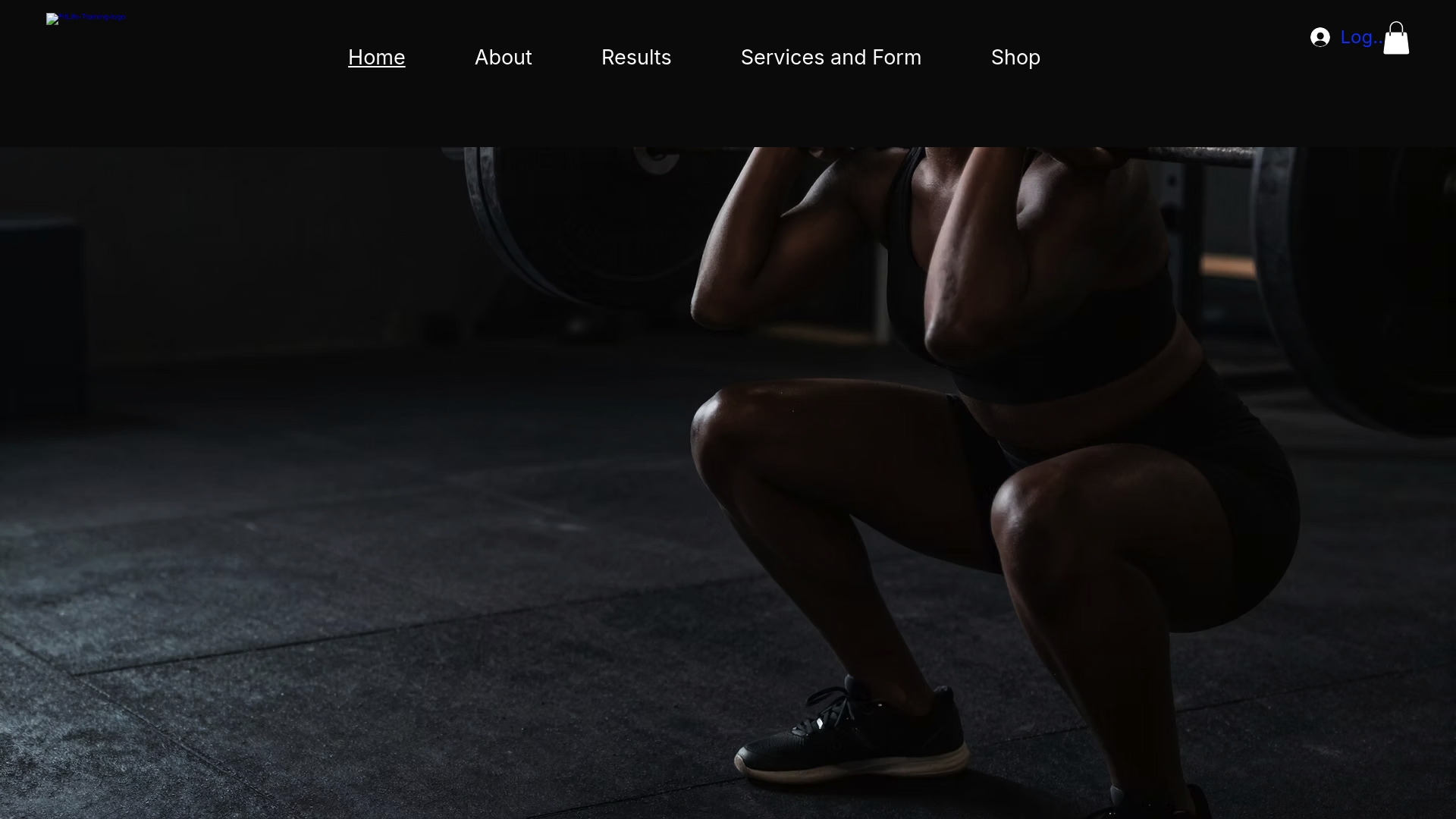
Whether you need three coached sessions a week to get started or a monthly check-in to keep your programming sharp, Terpinfit builds a plan around your actual life. The hybrid model is available for clients who want expert guidance without committing to daily sessions. Reach out to a Pensacola personal trainer at Terpinfit and get a schedule that works for you from day one.
FAQ
How many personal training sessions per week do beginners need?
Beginners need 2–3 coached sessions per week for the first 4–8 weeks to build movement patterns and consistency. After that initial phase, frequency can be reduced as skill and independence develop.
Is training once a week with a personal trainer enough?
One session per week can maintain progress if you train independently 2–3 additional days. Without solo training between sessions, once-weekly coaching produces slow results for most people.
How often should you train each muscle group for muscle growth?
Training each major muscle group at least twice per week produces significantly better hypertrophy than once-weekly training. Muscle protein synthesis stays elevated for 24–48 hours post-session, making every-other-day frequency ideal for most muscle groups.
What is the hybrid training model?
The hybrid model combines one coached personal training session with self-led workouts throughout the week. It balances cost, coaching quality, and training independence, making it sustainable for most clients long-term.
Does higher training frequency always produce better results?
Higher frequency does not automatically produce better results. Sustainable frequency aligned with your recovery capacity and lifestyle consistently outperforms high-frequency training that leads to burnout and inconsistency.
Recommended
Comments